

Natural fabrics are finally getting the attention they deserve. As more people move away from synthetics, two names keep coming up again and again: linen and khadi.
At first glance, they can look similar. Both are breathable, both feel natural, and both are often recommended for warm weather. But they are not the same fabric.
If you’ve ever wondered which one to choose for daily wear, summer comfort, or a polished outfit, this guide will make it clear.
What is linen fabric?
Linen is a natural fabric made from the fibres of the flax plant. The fibres are extracted, spun into yarn, and then woven into cloth. The process focuses on creating smooth, durable threads that form a structured and breathable fabric.
Key characteristics of linen:
- cool to the touch
- lightweight and airy
- smooth texture
- sharp drape
- long-lasting durability
Linen garments usually look clean and slightly crisp, which is why they are often used in shirts, trousers, summer suits, and modern minimal clothing.
What is Khadi Fabric
Khadi is also a natural fabric, but it is defined by how it is made, not the plant alone. Khadi is hand-spun and hand-woven cloth traditionally produced on a spinning wheel (charkha) and a loom.
It can be made from cotton, silk, or wool, but when people refer to khadi for summer wear, they usually mean cotton khadi.
Key characteristics of khadi:
- handwoven texture
- slightly uneven surface
- soft and airy feel
- traditional appearance
- high breathability
Khadi has a more organic and textured look compared to linen’s refined finish.
Khadi vs Linen: The Main Differences
|
Feature |
Linen |
Khadi |
|
Fibre Source |
Flax plant |
Usually cotton (hand-spun) |
|
Manufacturing |
Machine spun, woven |
Hand-spun & handwoven |
|
Texture |
Smooth & structured |
Soft & textured |
|
Appearance |
Clean, modern |
Rustic, traditional |
|
Durability |
Very high |
Moderate |
|
Drape |
Sharp and tailored |
Relaxed and flowy |
|
Maintenance |
Easier to maintain |
Needs gentle care |
The biggest difference is this:
Linen is fibre-defined. Khadi is process-defined.
Khadi vs Linen for Summer: Which Wins?
Both fabrics breathe well, but they behave differently in heat.
Khadi
- absorbs sweat very well
- feels soft and airy
- excellent for dry heat
Linen
- releases heat faster
- dries quicker
- stays comfortable in humidity
In humid climates, linen usually feels cooler because it allows faster evaporation. Khadi can absorb moisture well but may feel heavier if the air is very humid.
So for peak summer, especially coastal or humid weather, linen often has the comfort advantage.
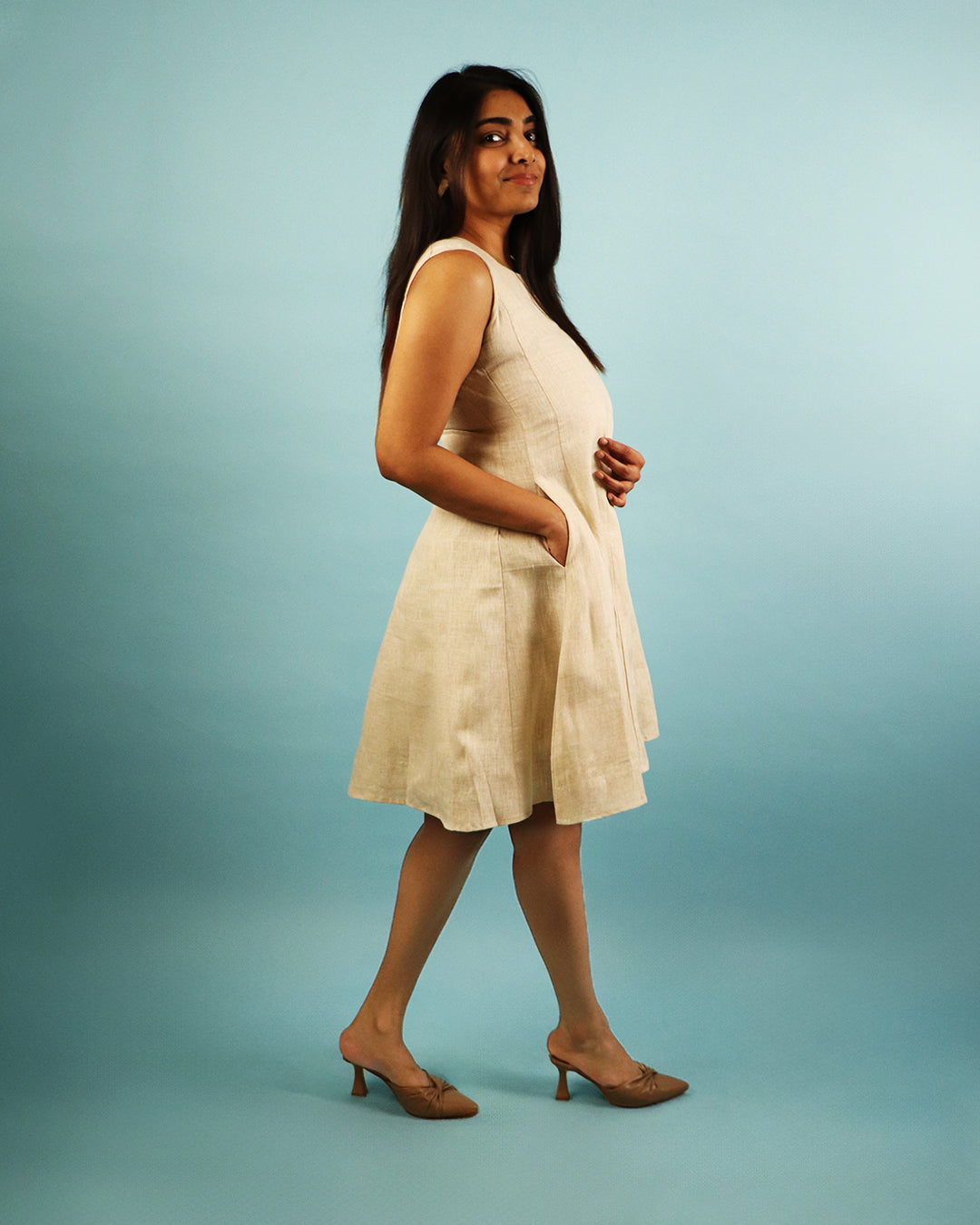
Shop Natural Pure Linen A-Line Dress
When to Wear Khadi vs Linen
Choosing between the two is less about better or worse and more about the situation.
Choose Khadi when:
- You want a relaxed, traditional look
- You prefer a soft drape
- You’re dressing for casual daytime wear
- You like handcrafted textures
Choose Linen when:
- You want a clean, polished outfit
- You need something for work or outings
- You want structure without heaviness
- You’re travelling in warm weather
In simple terms:
Khadi feels handmade. Linen feels tailored.
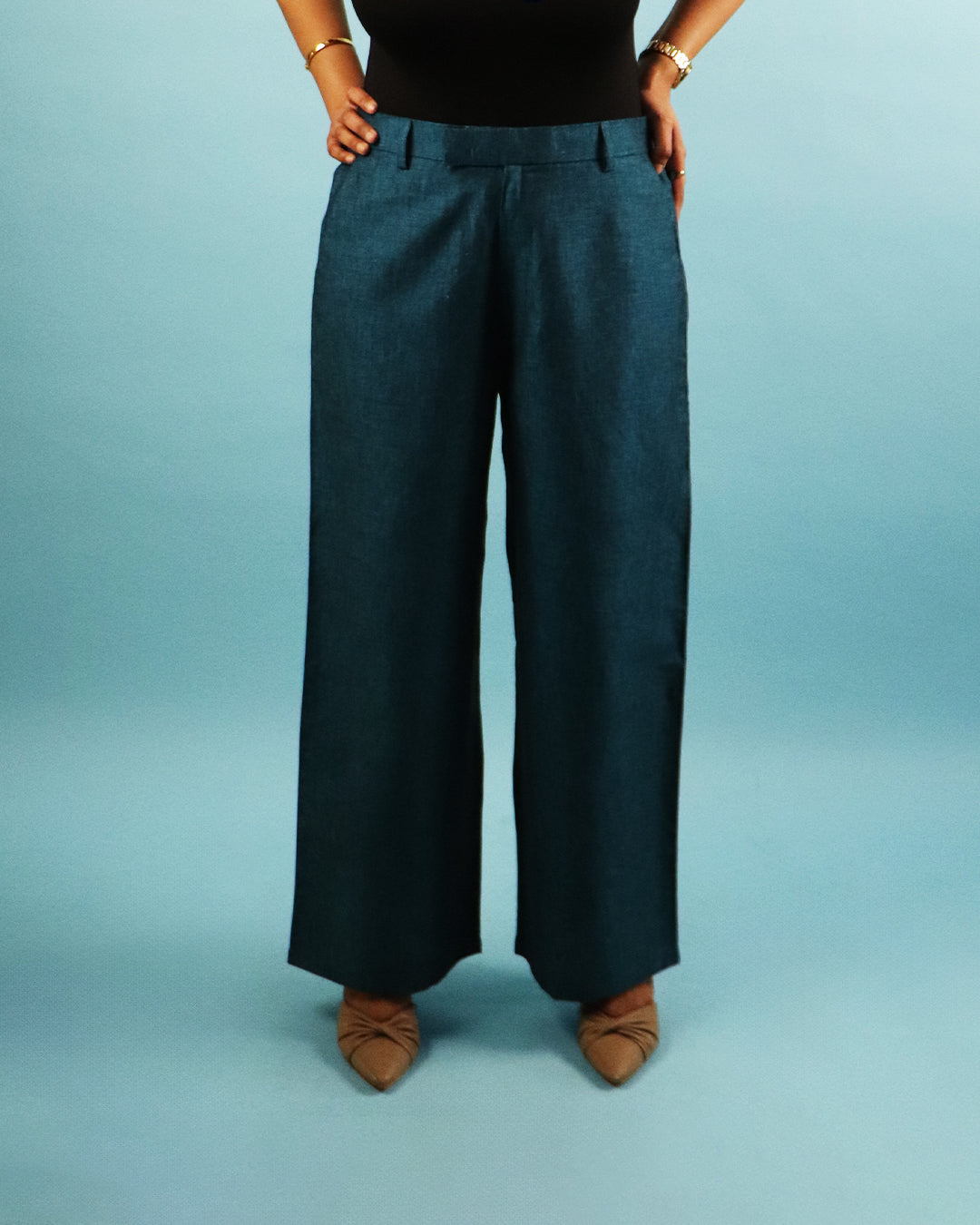
Shop German Green Unisex Linen Pants
Styling Difference You’ll Notice
A khadi kurta looks comfortable and cultural.
A linen shirt looks sharp but still relaxed.
That’s why linen often fits both casual and semi-formal dressing, while khadi stays mostly in the casual or ethnic category.
Durability and Maintenance
Linen fibres are stronger than cotton fibres. Over time, linen softens but does not weaken easily. Many linen garments last for years.
Khadi is comfortable, but softer yarns mean it requires more careful washing and handling.
So if you want something low-maintenance and long-term, linen usually performs better.
Final Thoughts
Both linen and khadi are valuable natural fabrics. One represents heritage craftsmanship. The other represents functional comfort.
Khadi connects you to tradition and texture.
Linen supports daily wear and a modern lifestyle.
Choosing the right one depends on how you dress and where you wear it.
FAQs
Which is better khadi or linen?
Neither is universally better. Khadi is ideal for relaxed and traditional wear, while linen is better for structured, versatile clothing and long daily use.
Is linen better than khadi for formal wear?
Yes. Linen holds shape better and has a cleaner drape, which makes it more suitable for semi-formal and smart casual outfits.
Khadi vs Linen Sustainability
Both fabrics are natural and eco-friendly. Khadi uses hand production and very low energy, while linen comes from flax, a crop that requires less water and fewer chemicals than many other fibres. Both are sustainable options compared to synthetic fabrics.